Sewer Repair in Longmont, CO
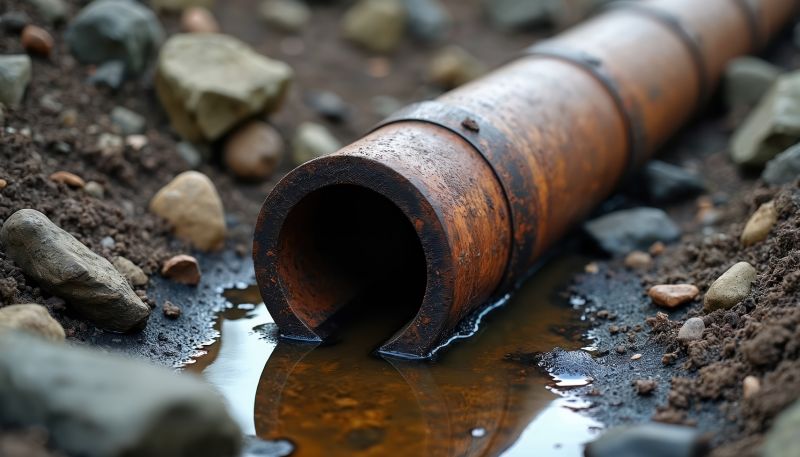
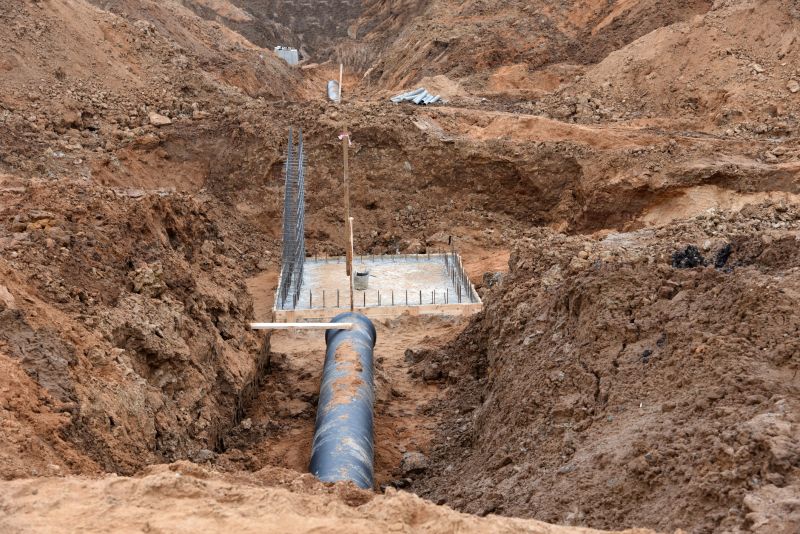
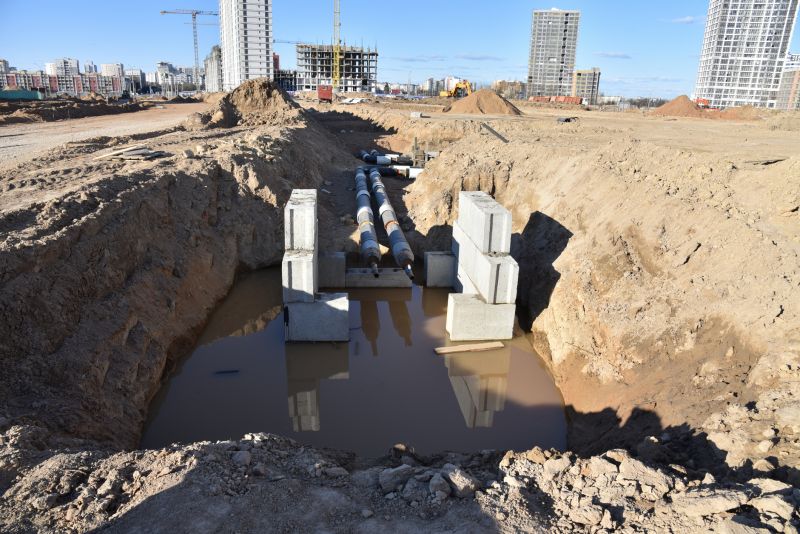
Sewer repair services address issues within the underground sewer lines that connect a property’s plumbing system to the municipal or septic system. These projects typically involve fixing or replacing damaged, cracked, or collapsed pipes caused by aging, tree root intrusion, blockages, or ground shifting. Property owners often request sewer repairs when experiencing persistent backups, foul odors, slow drains, or visible surface symptoms like soggy patches in the yard, aiming to restore proper flow and prevent future problems.
Before requesting sewer repair services, homeowners should understand the scope of the project, including whether a full pipe replacement or targeted repairs are needed. It’s also helpful to know if a sewer line inspection, often performed with video technology, is recommended to accurately diagnose the problem. Clarifying the extent of the damage and the potential for excavation or trenchless methods can assist property owners in making informed decisions about the most suitable repair approach for their property.
Many property owners in Longmont, CO look into Sewer Repair for repairs, replacements, upgrades, and appearance-related improvements.
Signs Of Sewer Issues
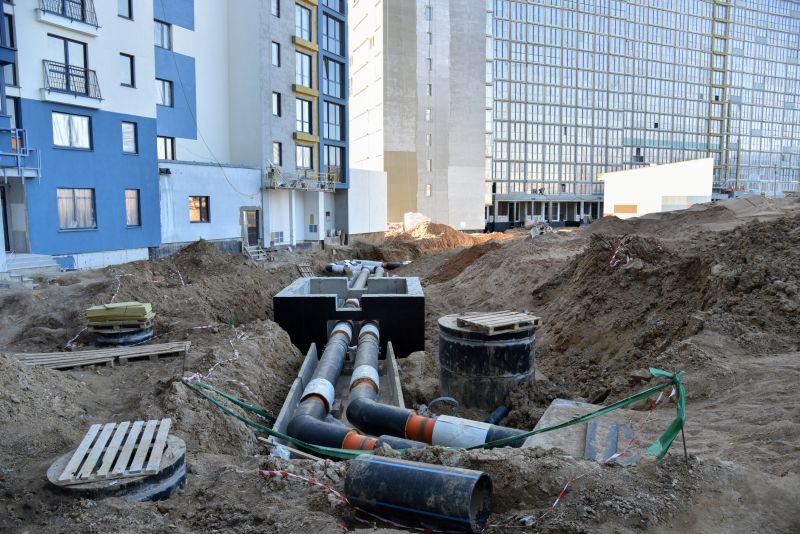
Property owners may notice slow drains, foul odors, or recurring backups indicating sewer problems.
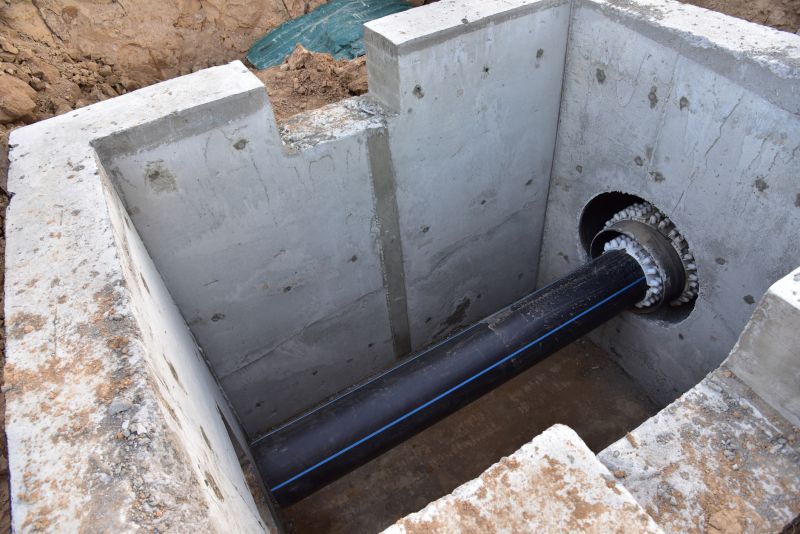
Common Sewer Repairs
Repairs often involve pipe patching, replacement of damaged sections, or complete sewer line replacement to restore proper function.
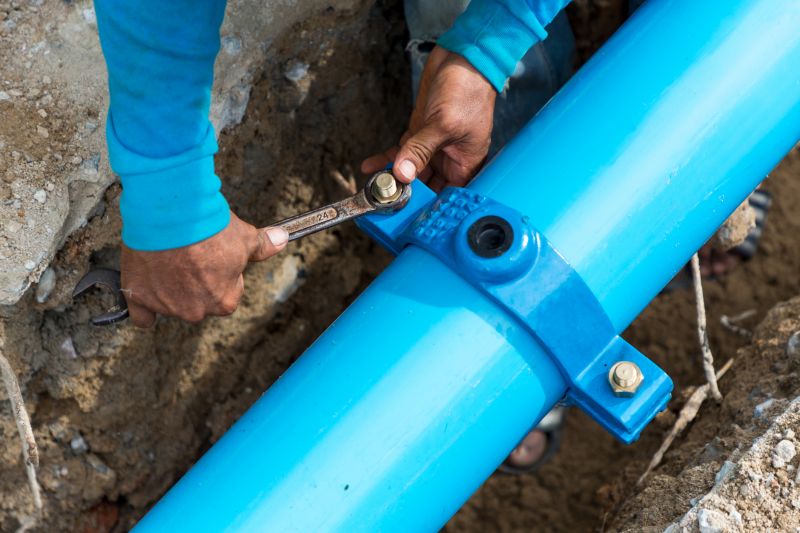
Preventative Maintenance
Regular inspections and timely repairs can help prevent costly sewer backups and property damage in longmont and nearby areas.
Sewer Repair in Longmont, CO
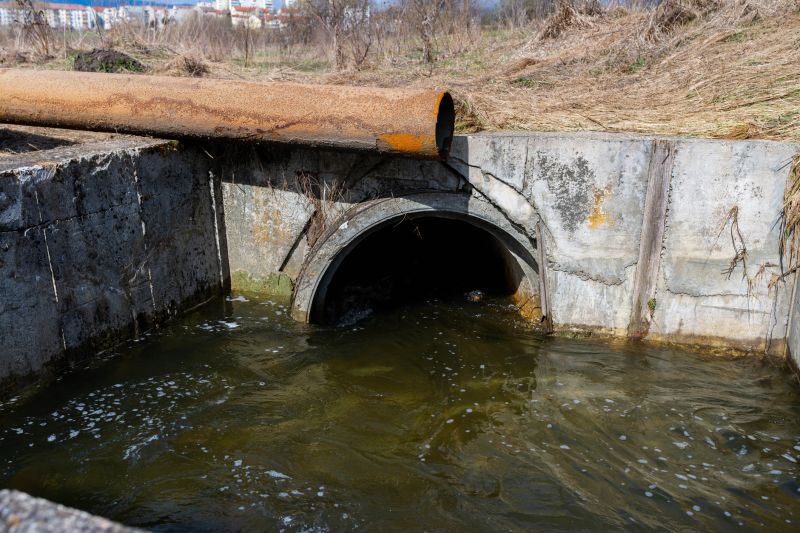
Sewer repair services address issues within the underground sewer lines that connect a property’s plumbing system to the municipal or septic system. These projects typically involve fixing or replacing damaged, cracked, or collapsed pipes caused by aging, tree root intrusion, blockages, or ground shifting. Property owners often request sewer repairs when experiencing persistent backups, foul odors, slow drains, or visible surface symptoms like soggy patches in the yard, aiming to restore proper flow and prevent future problems.
Before requesting sewer repair services, homeowners should understand the scope of the project, including whether a full pipe replacement or targeted repairs are needed. It’s also helpful to know if a sewer line inspection, often performed with video technology, is recommended to accurately diagnose the problem. Clarifying the extent of the damage and the potential for excavation or trenchless methods can assist property owners in making informed decisions about the most suitable repair approach for their property.
Many property owners in Longmont, CO look into Sewer Repair for repairs, replacements, upgrades, and appearance-related improvements.
Common Sewer Repair Jobs
Sewer Line Replacement - involves installing new sewer lines to replace aging or damaged pipes.
Sewer Line Repair - addresses leaks, cracks, or blockages in existing sewer systems.
Drain Line Clearing - removes clogs and debris from sewer and drain lines to restore flow.
Video Sewer Inspection - uses cameras to identify issues within underground sewer lines.
Root Intrusion Removal - eliminates tree roots that have infiltrated sewer pipes.
Septic System Repair - restores proper function of septic systems connected to the sewer line.
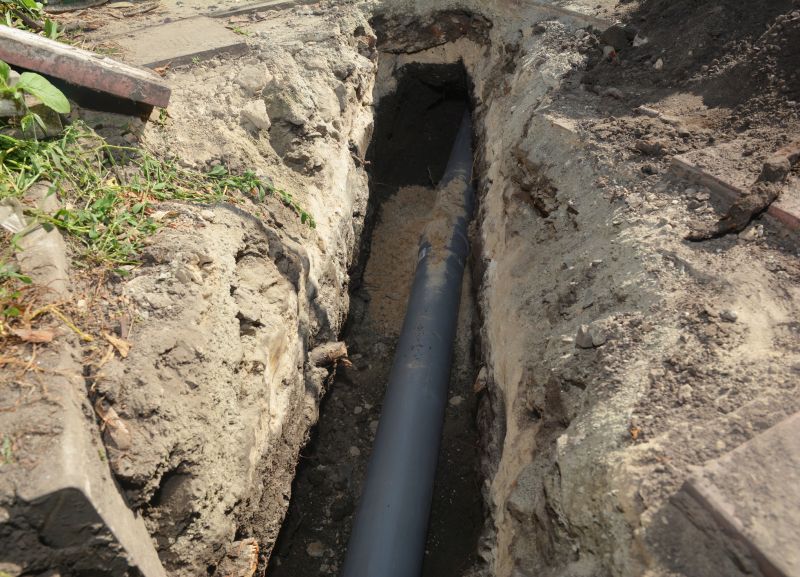
Sewer Repair Questions
What are common signs of sewer problems? Signs include unpleasant odors, slow drains, gurgling sounds, or sewage backups in the property.
What causes sewer line issues? Common causes include tree root intrusion, pipe corrosion, blockages from debris, and ground shifting.
What types of sewer repairs are available? Repairs may involve pipe patching, relining, or replacing damaged sections of the sewer line.
How can property owners prevent sewer problems? Regular inspections, avoiding flushing non-degradable items, and managing tree roots near pipes can help prevent issues.
Request Sewer Repair in Longmont, CO
Use the quote form on this page to share the basics of your project and request more information for the type of work you need.